Category: Interior details
A Bed Can Be Furniture. Or It Can Become Architecture.
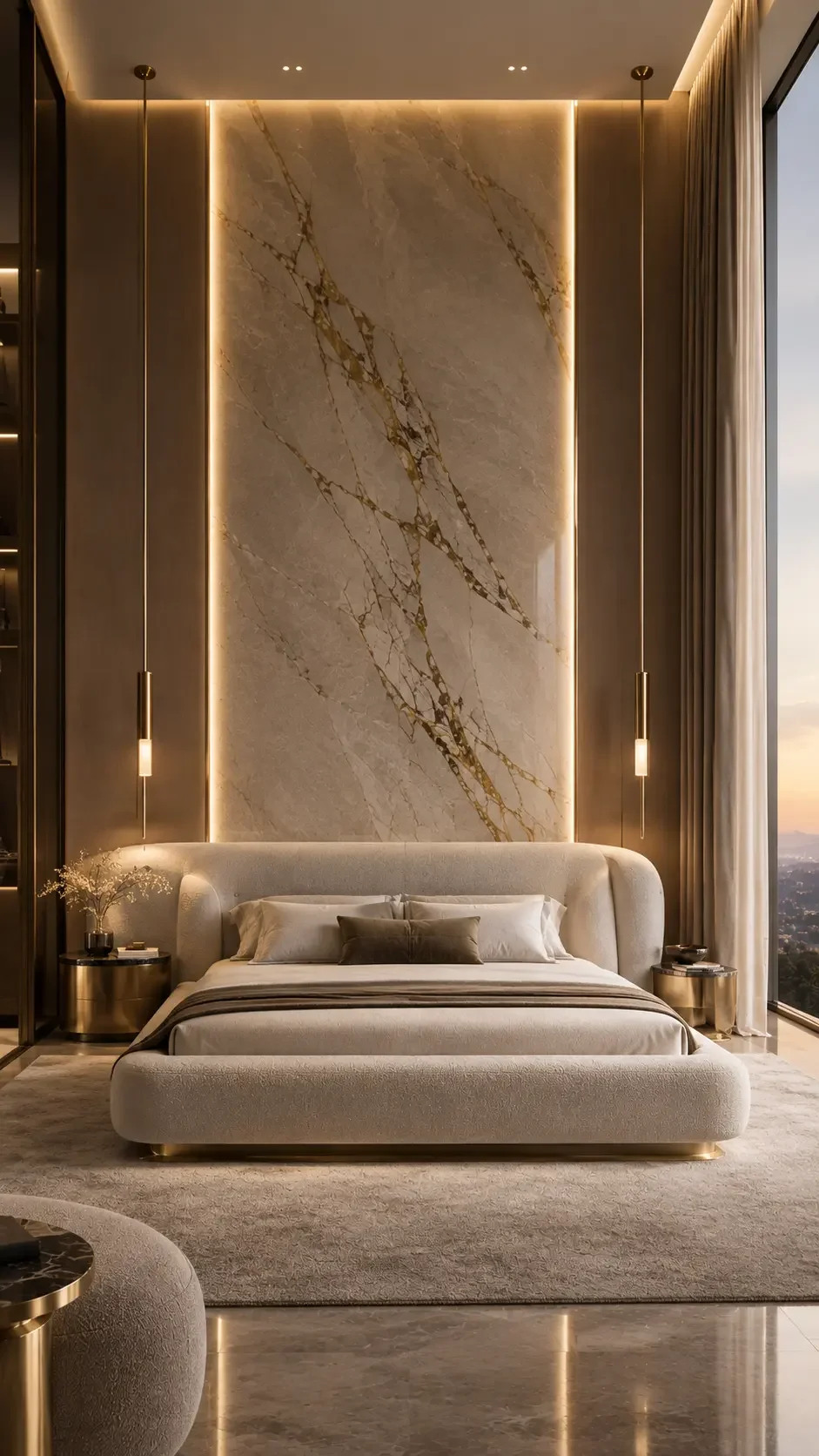
A bed is usually the largest piece of furniture in a bedroom.
So why should it behave like just another piece of furniture?
A platform bed keeps things low, clean and grounded. With almost no visual heaviness underneath, the room feels more open.
A four-poster bed does the opposite. Its vertical structure creates a room within the room — giving the sleeping area a stronger sense of intimacy and presence.
Then there is the canopy bed. Once associated with elaborate fabrics and traditional interiors, today's canopy can be surprisingly minimal: slim metal frames, timber structures or even sculptural forms that create a sense of shelter without feeling heavy.
A floating bed takes another approach. By hiding or recessing its support, the bed appears to hover above the floor. The result is lighter visually, even when the bed itself is substantial.
For compact bedrooms, a storage bed turns the platform into usable space. Drawers, hydraulic storage or concealed compartments allow the bed to work harder without adding another cabinet.
And then there are built-in beds — integrated into walls, niches or platforms. These can completely change how a bedroom functions, especially when combined with study areas, wardrobes or hidden storage.
The interesting part is this:
The shape of the bed decides how the bedroom feels around it.
Low feels calm.
Tall feels dramatic.
Enclosed feels intimate.
Floating feels light.
Built-in feels architectural.
So perhaps the question isn't simply, “Which bed do I like?”
It is:
“What should the bedroom feel like when I enter it?”
— Dhara Ajmera
Related Articles
More about Interior details