Category: Interior details
A Wardrobe Doesn’t Just Store Clothes — It Shapes the Room
We usually choose a wardrobe by asking simple questions: How much storage do I need? Sliding or hinged? What finish should I use?
But a wardrobe can do much more than hold clothes. Its form can change the character of an entire bedroom.
A full-height wardrobe draws the eye upward and makes a room feel taller. A floor-to-ceiling wardrobe creates a calmer, more continuous visual line because there are fewer breaks on the wall.
Then comes the interesting part.
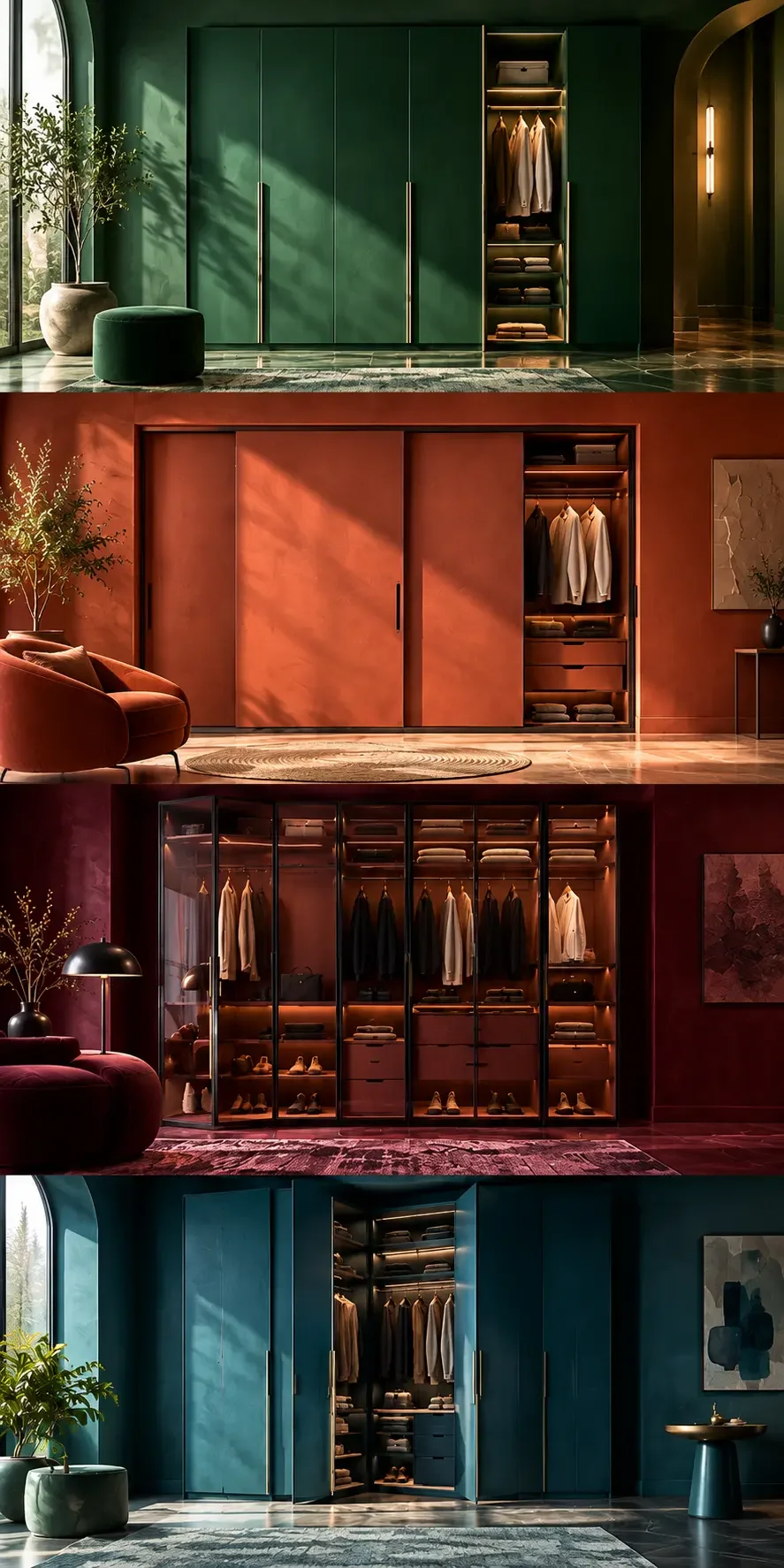
A sliding wardrobe works beautifully when circulation is tight because its shutters don’t need swinging space. A hinged wardrobe, however, gives you a wider opening at once — useful when you want the entire storage system visible.
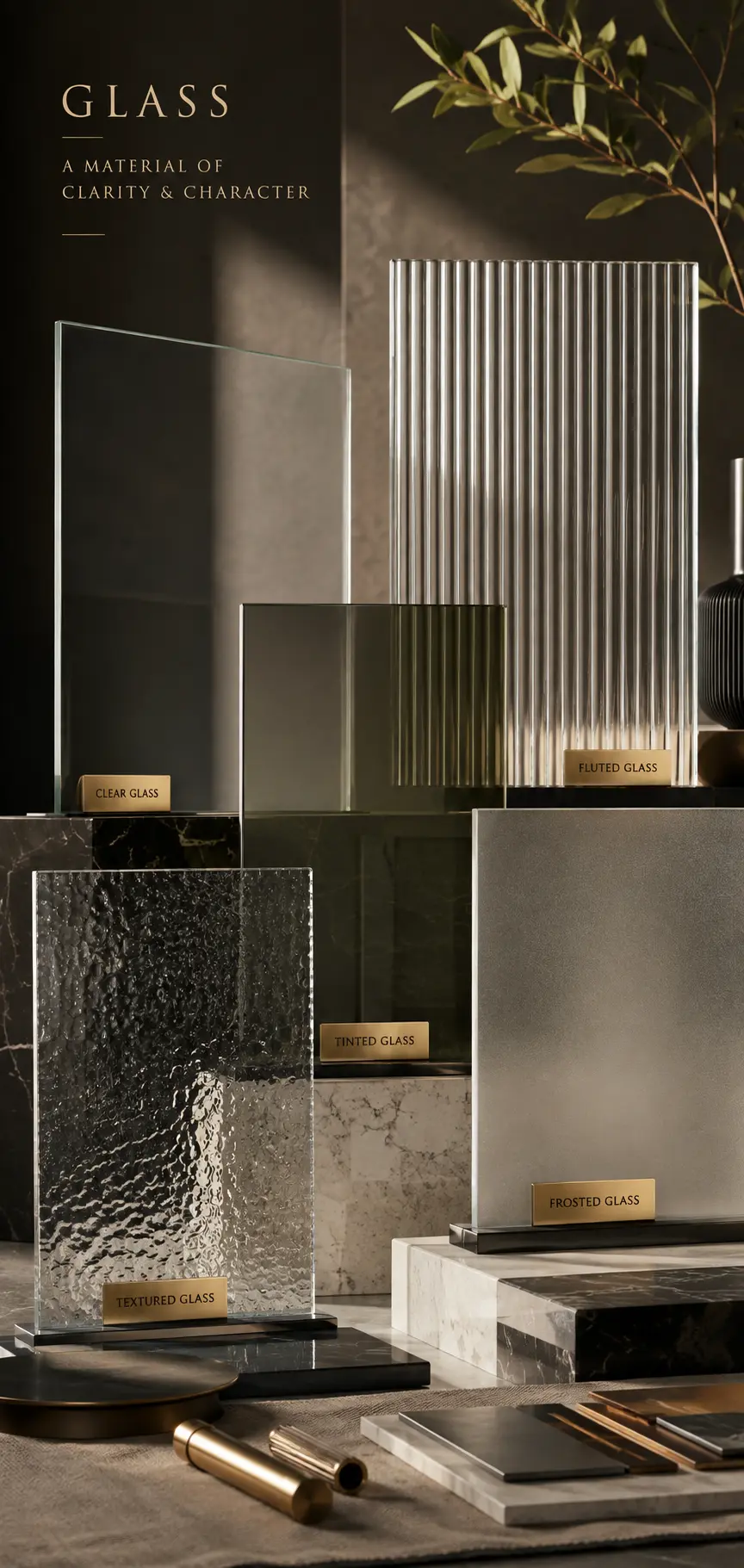
A glass-front wardrobe changes the feeling completely. Instead of hiding everything, it turns clothing, accessories and objects into part of the room's visual composition. Fluted or tinted glass can give you that display effect without making everything completely visible.
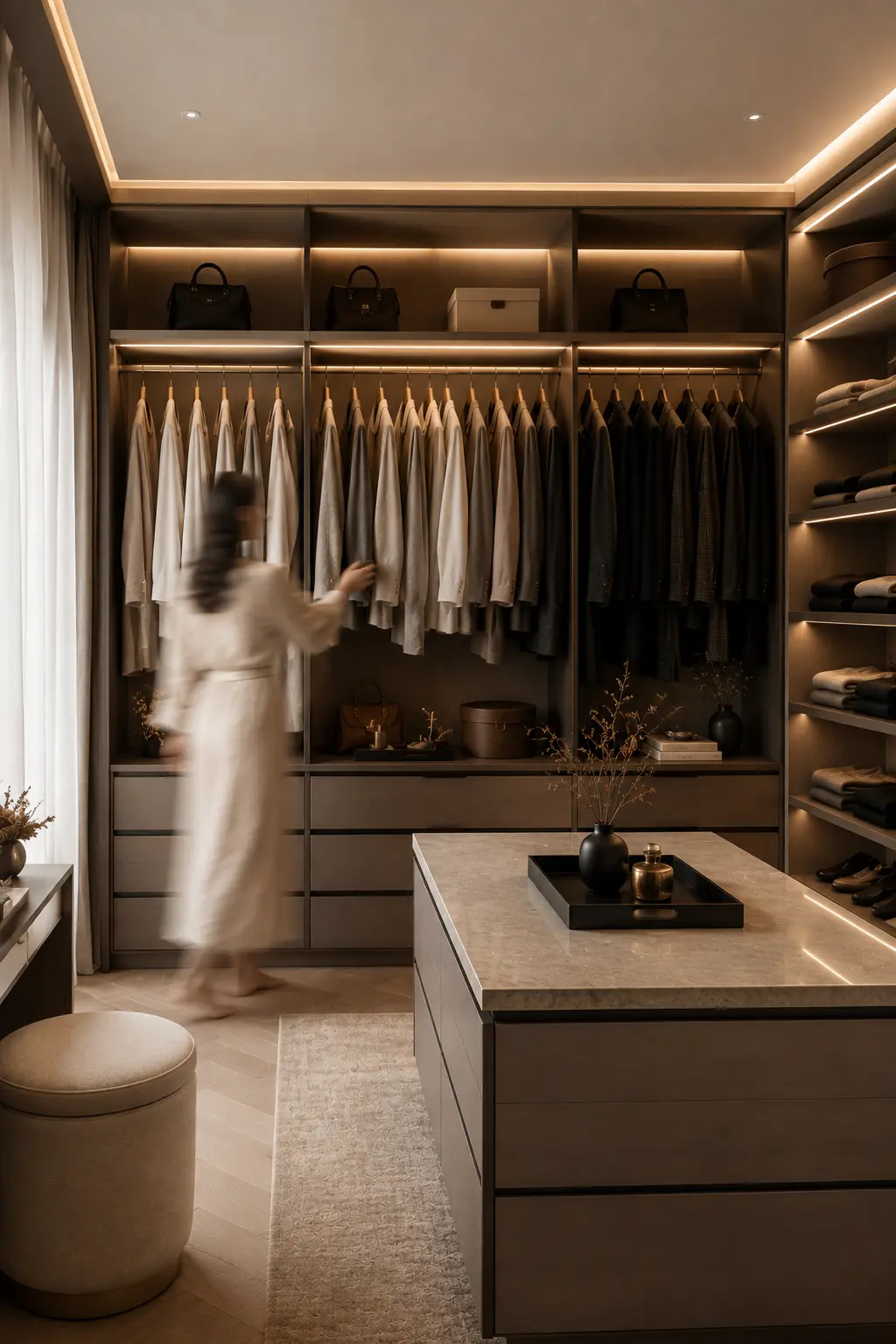
A corner wardrobe uses an often-wasted junction between two walls, while a walk-in wardrobe changes storage into an experience — almost like entering a private dressing room.
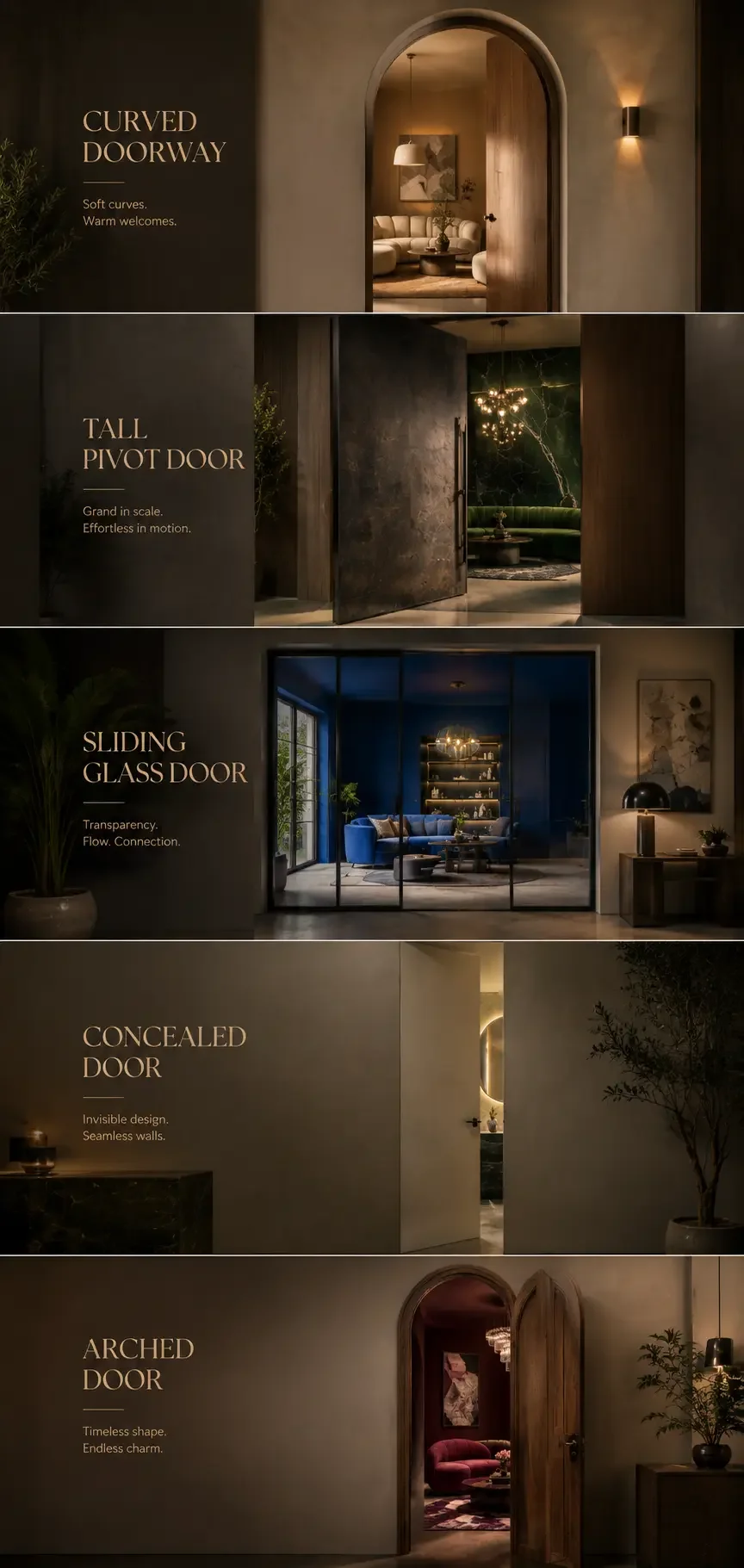
And then there is the concealed wardrobe: flush shutters, minimal handles, and finishes matching the wall. When closed, it almost disappears.
The best wardrobe isn't necessarily the biggest one.
Sometimes, the smartest wardrobe is the one that takes up less visual space while giving you more usable space.
Because good storage should organise your belongings without becoming the loudest thing in the room.
— Dhara Ajmera
Related Articles
More about Interior details